Infor BaaN (now evolved as Infor LN) has long been the go-to system for big manufacturers. It kept shop floors humming by locking down production schedules and materials, handled buying from quote to check, and crunched numbers across borders with solid multi-company reports. Companies grew fast because BaaN replaced messy Excel sheets and duplicate entries with one clean process that everyone followed.
But the world moved on. Supply chains now ping updates every minute, buyers want same-day delivery, and new rules pop up without warning. You need data that flows live, forecasts that actually predict, and hooks into sensors on machines or blockchain for shipments. BaaN, stuck on company servers with locked-down code and layers of old tweaks, just can’t keep up. It costs a fortune to run, takes forever to grow, and stops new ideas in their tracks.
Oracle Fusion Cloud ERP flips the script. It’s born in the cloud, packed with AI that learns as you go, keeps compliance on autopilot, and updates itself every few months. ChainSys gets you there without drama—their Smart Data Platform, ready-made tools, and battle-tested playbook keep the lights on, the budget in check, and the payoff coming quickly.
Back in the day, BaaN nailed the basics. Warehouse picks and truck routes ran smoothly. Finance juggled transfers between plants and figured taxes right. Planners matched orders to machines without overbooking. Buyers stayed inside the policy. The inventory arrived exactly when needed, and the bosses received the yearly reports they trusted.
Reality bites now. Servers age out, replacements cost big, and every cyber fix steals weekends. Peak season hits, and you’re begging for more boxes while competitors spin up cloud power in hours.
Hooking BaaN to Tableau or Coupa means writing glue code that breaks the next upgrade. All those special screens and reports you added for one country? They turn a simple patch into a six-month headache and freeze you when trade rules change overnight.
Screens look like 1995—tons of fields, no phone swipe, hunt-and-peck navigation. New hires need boot camp; veterans waste half the day clicking. Audits mean exporting to Excel, praying nothing’s missing, and sweating GDPR or CCPA fines. In a world where the fast eats the slow, BaaN’s quiet costs—missed sales, late reactions—add up fast. Staying put isn’t safe; it’s suicide.
Fusion Cloud is built for right now. One database ties finance, people, supply chain, and sales together. When you change a stock count, the P&L, the truck schedule, and the customer portal all update instantly. Every quarter, Oracle drops new AI tricks—spotting fake invoices, guessing demand from rain forecasts, running “what-if” plays on a buyout.
Taxes? It knows rules for 200 countries, flags conflicts, and stamps every click for auditors. Dashboards work on phones; the CFO green-lights spend from the gate, the line boss reroutes parts from the floor. No more server bills—pay for what you use, crank it up for a new factory, dial it back after holidays, 40–60% cheaper overall.
Plug-ins to Salesforce, AWS, and Shopify are already there; your ERP finally talks to everything else. It stops being a money pit and starts printing advantages—dynamic prices, carbon tracking, and next-day market entries. Fusion doesn’t just swap out BaaN; it rewrites the game.
ChainSys attacks the move with machines first, people second. Their Smart Data Platform runs the show and cuts manual labor by up to 80%.
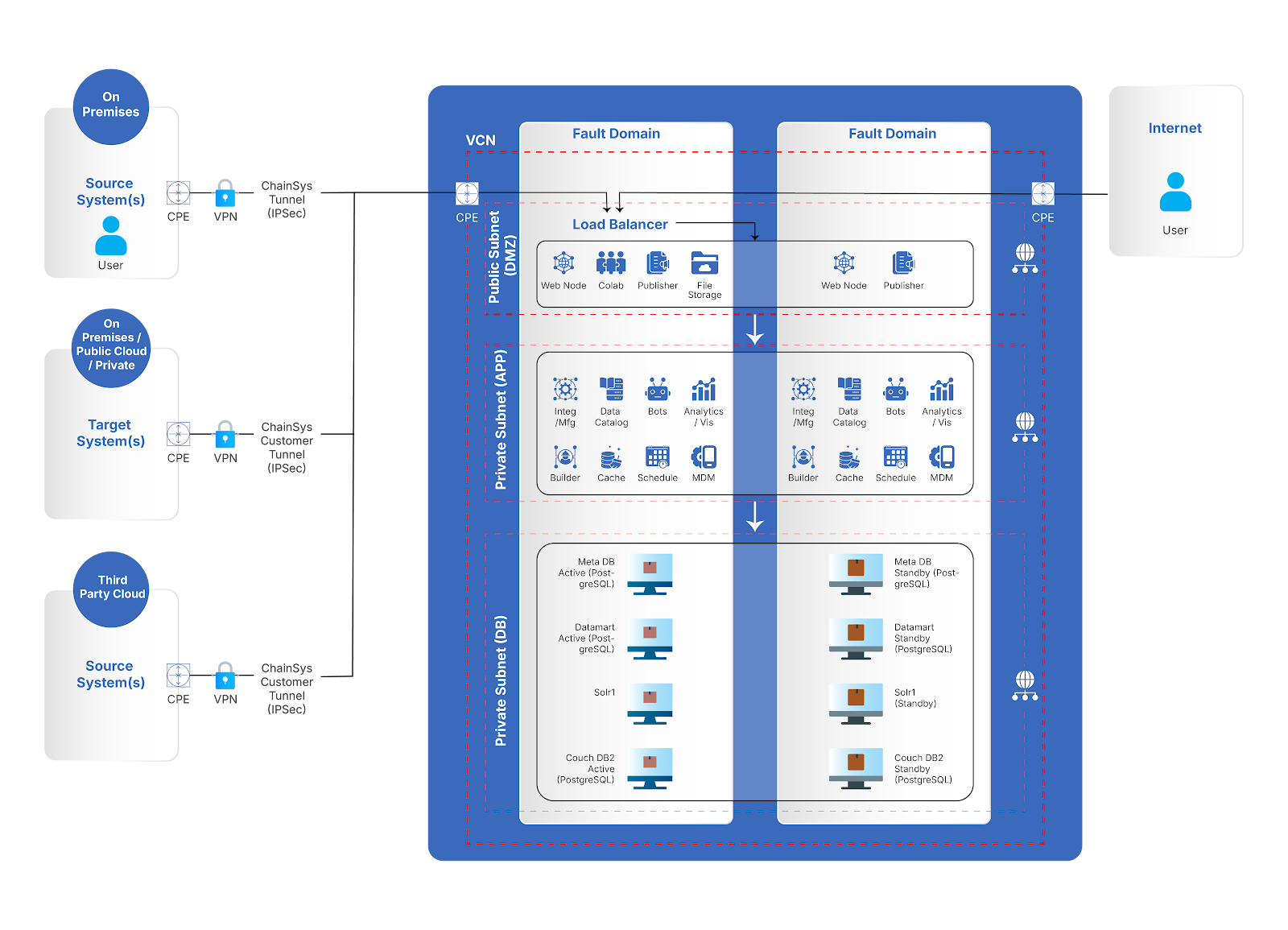
ChainSys has developed a highly structured, automation-first methodology for migrating from legacy ERPs such as BaaN to Fusion Cloud. The ChainSys Smart Data Platform integrates multiple modules to simplify, accelerate, and de-risk the entire migration process.
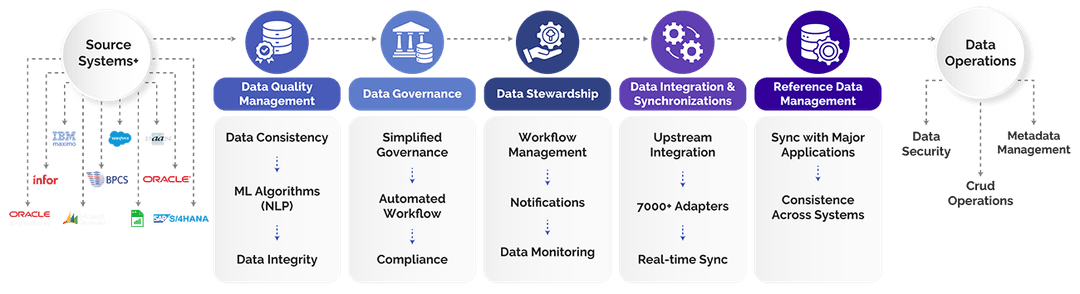
The platform includes:
Rollback buttons, complete logs, and business-first planning make the whole trip tight, traceable, and on target.
A structured, multi-phase migration methodology is critical for reducing risk and ensuring a smooth transition. ChainSys uses a proven eight-step framework that blends automation, governance, and validation.
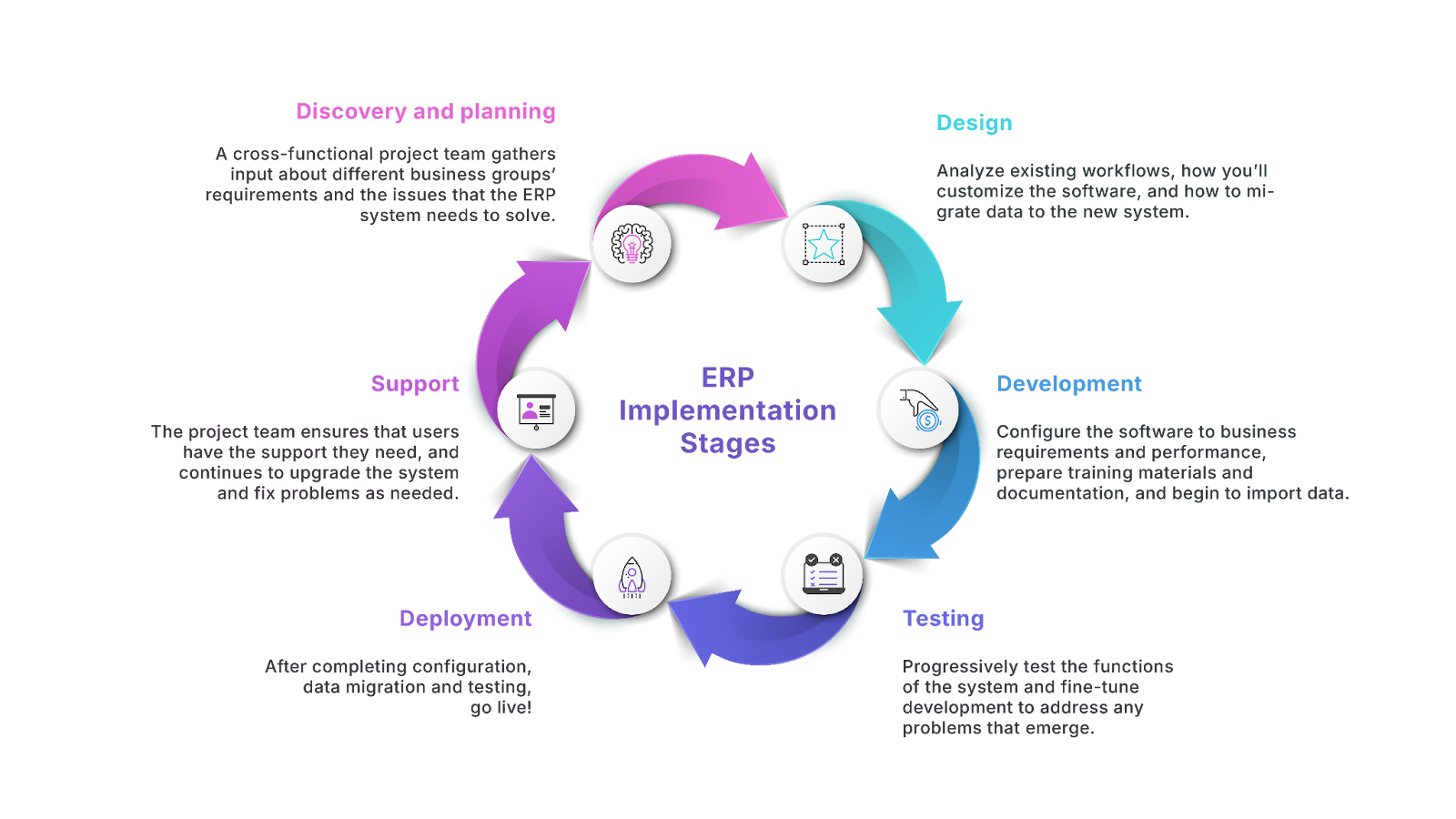
Step 1: Pre-Migration Assessment
List every BaaN piece—Manufacturing, Distribution, EDI links, bank feeds, custom Z-forms. Match current steps to Fusion, flag 60–70% that go vanilla, streamline approvals, plan extras, and hand over a roadmap with dollars attached.
Step 2: Data Discovery & Profiling
dataZense scans customers, parts, open orders, and work-in-progress. Spots doubles, currency mix-ups, ghost records. You see the mess and pick which moves to make first.
Step 3: Data Cleansing & Enrichment
dataZen wipes 10,000 dupes in hours, fixes addresses with Google lookup, and adds green scores. Same rules run every mock load—Fusion gets gold from the start.
Step 4: Archiving of Historical Data
ChainSys uses pre-built dataZap templates to move data older than 5–7 years into Oracle Fusion’s Long-Term Archive, cutting migration volume by 70–80% and keeping all historical data fully searchable.
Step 5: Automated Data Mapping
dataZap aligns BOM layers with Fusion assemblies and cost buckets with natural accounts. Tweak outliers, log every link, zero guesswork.
Step 6: Parallel Testing
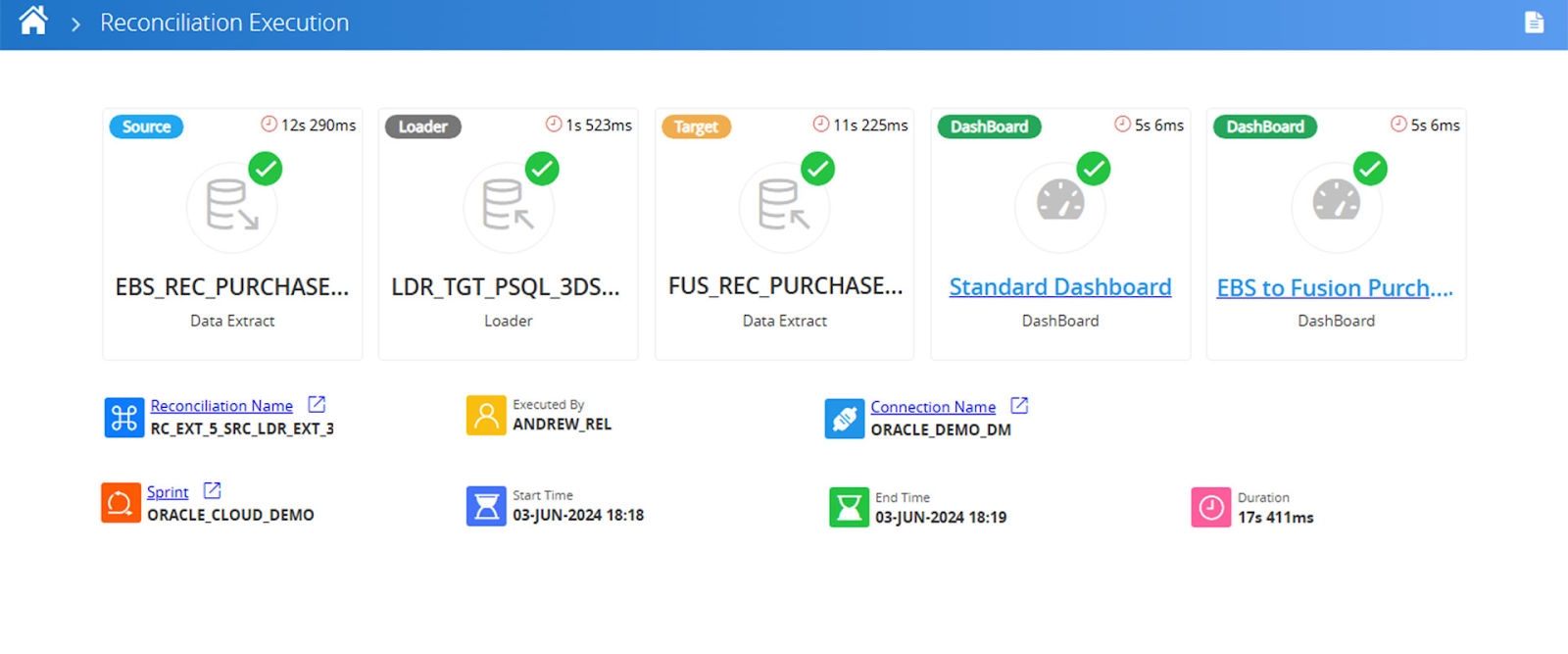
Feed real BaaN numbers into both systems—month-end, buy-to-pay. Compare a thousand metrics, patch gaps in a safe box, and sleep easily.
Step 7: Cutover Strategy
Go finance-first or all-at-once. Live dashboards watch every record cross, rollback scripts wait, and a round-the-clock crew stands by.
Step 8: Post-Go-Live Optimization
Track speed, flip on AI warnings, tune slow queries, measure who’s clicking what. Keep the wins coming.
Modernization is rarely a straight line. Enterprises face multiple hurdles, including data inconsistencies, integration complexities, and user adoption concerns. ChainSys structured approach proactively addresses these pain points with purpose-built solutions.
Old data is messy, custom code is added in, and links to other systems are brittle; staff hate change, and nobody wants the plant to stop. ChainSys has fixes.
ChainSys shaves 70% off the calendar with bots and nails 99.9% data match. Ditch BaaN servers and licenses—save half your infra spend for new projects. Fusion spins up an Asian site in weeks, auto-files taxes, lifts output 30% with clean screens. ERP flips from anchor to accelerator.
Proof it works anywhere, fast.
Start with data—scan early, fix often. Hit finance and supply chain first for quick applause. Keep customs under 20% to ride Oracle’s wave. Reconcile lives so IT and suits stay friends. Train smart—tailored videos, power users, help desk for three months—hit 90% happy users in 90 days.
Migrating from BaaN to Fusion Cloud positions enterprises to operate at a new level of agility. AI and analytics convert operational data into predictive intelligence, helping organizations make faster, smarter decisions.

Global compliance workflows are embedded by design, reducing regulatory overhead and audit complexity. Cloud scalability allows the business to grow without system limitations, and real-time integrations keep the enterprise connected across partners and markets. The result is a modernized operational core ready to adapt to change, drive innovation, and scale efficiently.
Infor BaaN once gave enterprises the operational backbone they needed to grow—but its limitations now prevent them from moving forward. Oracle Fusion Cloud ERP delivers the modern, intelligent, and scalable foundation required to compete in a digital economy.
ChainSys enables this transition through its Smart Data Platform, pre-built accelerators, and automation-first methodology. This isn’t just a data migration; it’s an enterprise transformation that strengthens agility, compliance, and innovation capability. Organizations that take this step position themselves to lead, not follow, in their industries.